Critical Thinking
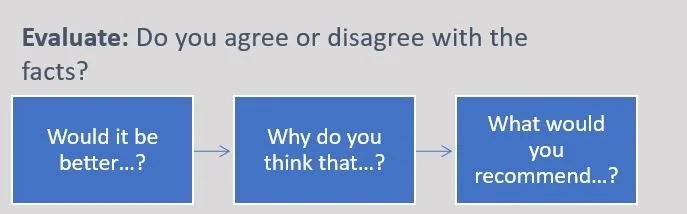
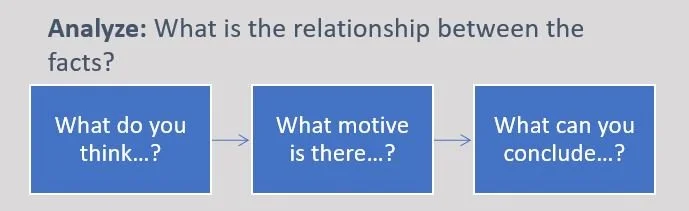
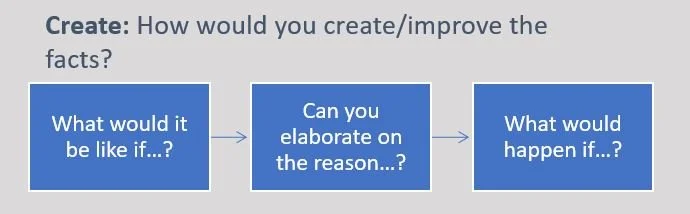
Critical thinking is a skill that will help you in any situation.
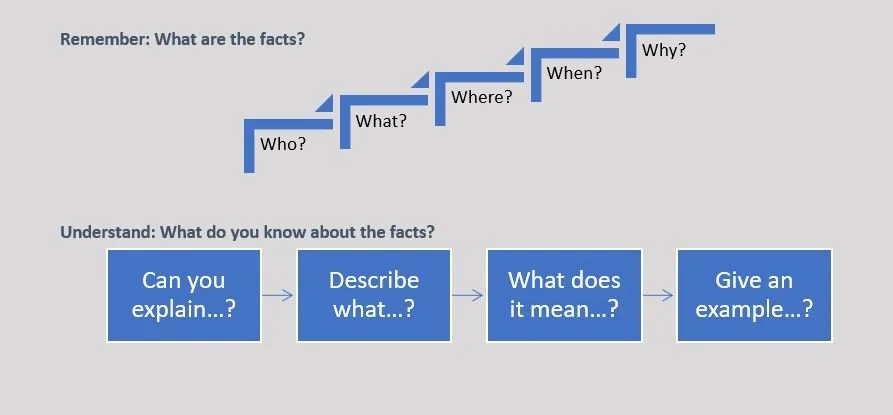
Start with the Basic questions.
Four keys to building critical thinking skills
Ask:
Ask More Questions (GEMBA is a great place to start)
Ask colleagues to explain their thinking and share their ideas and opinions on day-to-day happenings at work. Use probing questions like “how to you know that?” and “Why do you think so?” to help colleagues use evidence to support their beliefs.
Try:
Try multiple perspectives
Get colleagues to think about why processes were created and try to solve a problem differently than “This is the way we’ve always done it.”
Ask colleagues what would they say if they were defending the opposite side of the argument. Or urge them to solve the problem in a different way than they did the first time. Doing so encourages colleagues to discover unique perspectives that help broaden their mental horizons.
Make:
Make comparisons
Weighing outcomes from the past and what we know now will help to make good decisions based on our standard.
Ask colleagues compare ideas against our standard or list some pros and cons of different alternatives when making a choice. Ask them to compare the possible outcomes of each option in the short and long term. Comparisons help you analyze and evaluate possibilities carefully before making right decisions.
Be:
Be a model
Practice thinking out loud in front of colleagues. Work through a problem step by step.
Practice thinking out loud in front of colleagues. When you’re solving a problem or confronting a challenge, speak your thought process: “What will I do first? Well, I think I’ll try like this, and then…” Modeling critical thinking helps your colleagues understand what it takes to work through a problem step by step.